The High Sierra, with its breathtaking landscapes and challenging terrain, is a backpacker’s paradise. However, the region’s unpredictable weather and rocky landscapes require careful consideration when packing for summer overnights. In this guide, we’ll delve into crucial aspects of preparing for a High Sierra adventure, including wind screens for white gas stoves, sturdy tent setup, appropriate footwear, insulation, eye protection, and hydration strategies.
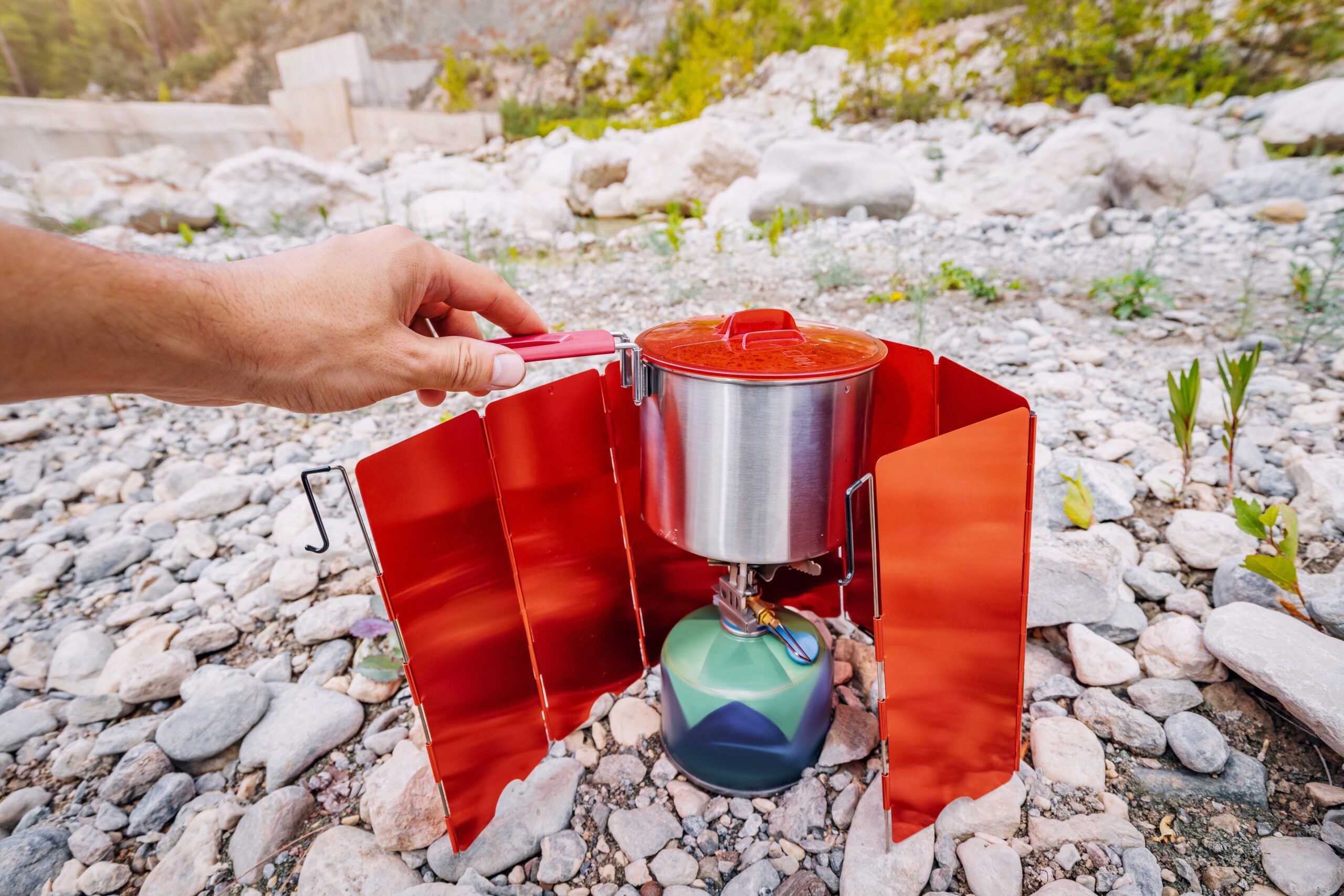
Wind Screens for White Gas Stoves: Battling the Sierra Winds
The Sierra is renowned for its gusty winds, which can pose a significant challenge when trying to cook a meal on a white gas stove. To counteract this, pack a reliable wind screen. In the absence of one, improvisation is key. Utilize large, flat rocks strategically positioned around your stove to act as wind barriers. This not only fortifies your cooking area but also ensures a more efficient cooking experience.
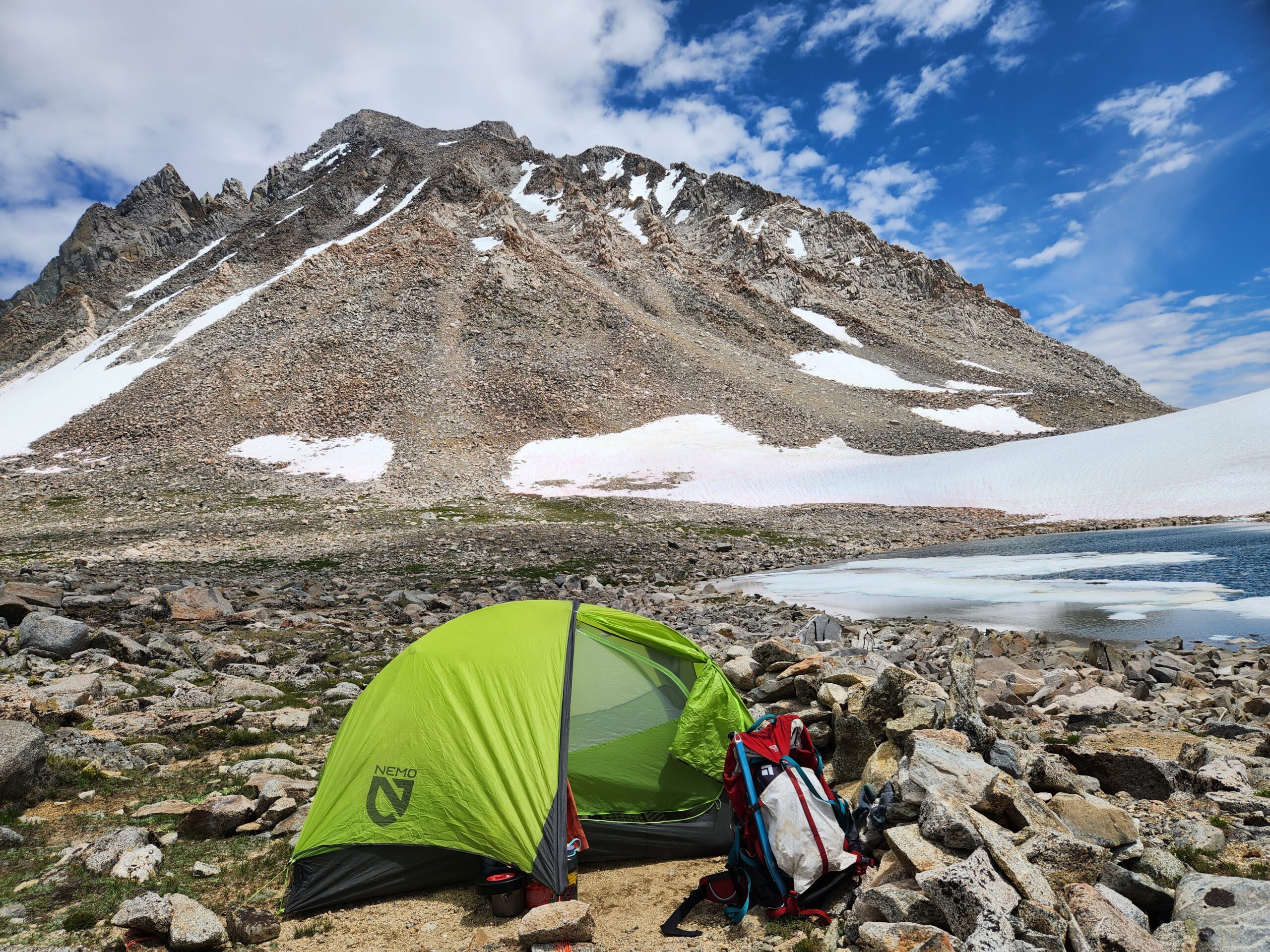
Guy Lines and Rocky Foundations
Ensuring Tent Stability Rocky terrain and persistent winds make tent stability a top priority. Strengthen the corners of your tent by using guy lines and anchoring them with rocks. This bombproof setup will withstand the elements and keep your shelter secure. Be sure to scout your campsite for suitable rocks and establish a solid foundation for your tent before settling in for the night.
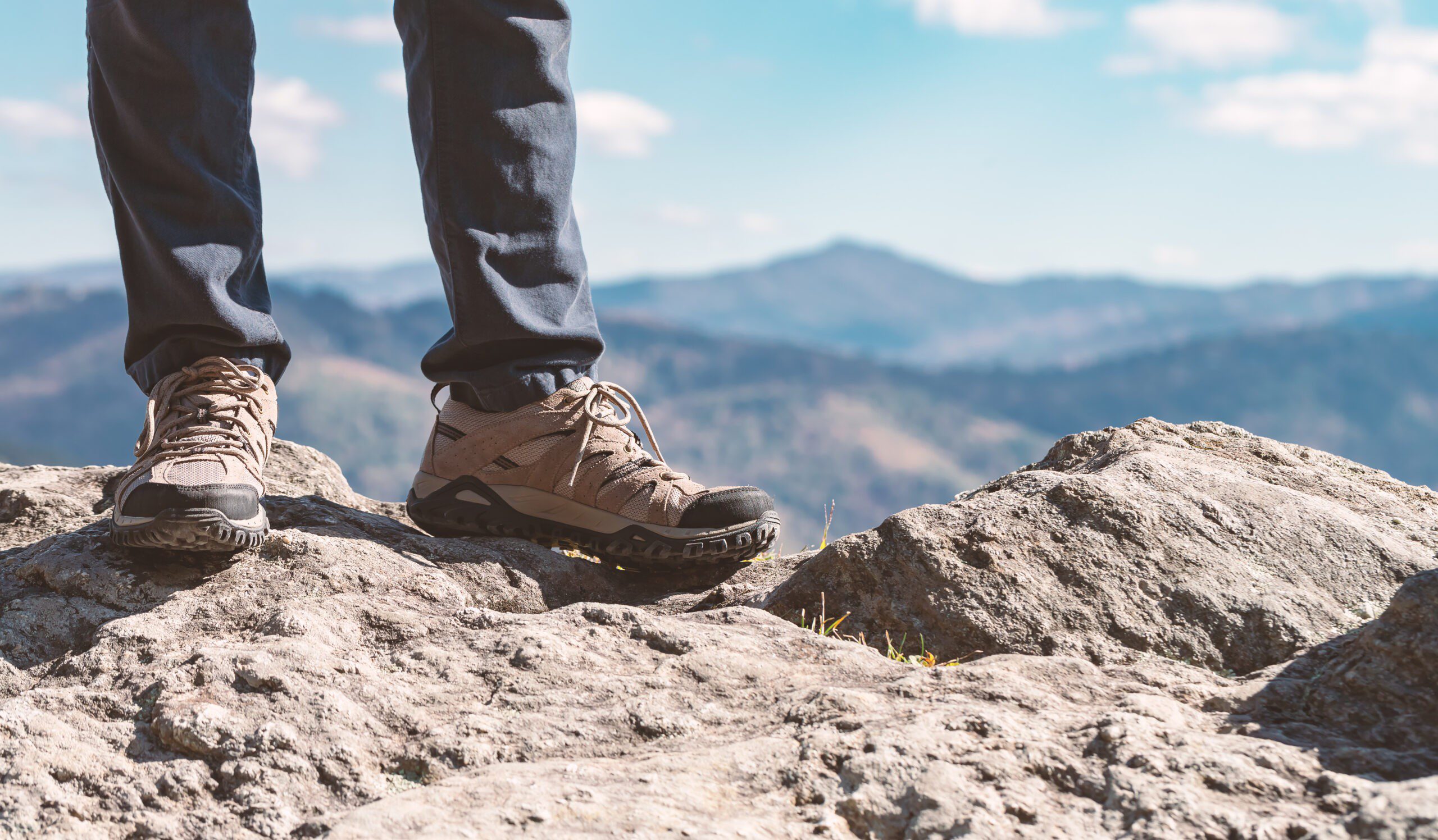
Footwear for Rugged Terrain Tackling the Rocky Sierra Landscape
The High Sierra’s rocky trails demand footwear with grippy rubber soles. Opt for durable hiking boots that provide ankle support and traction. This choice will not only enhance your stability on uneven terrain but also protect your feet from sharp rocks and potential injuries.
Insulation: From T-Shirts to Winter Jackets
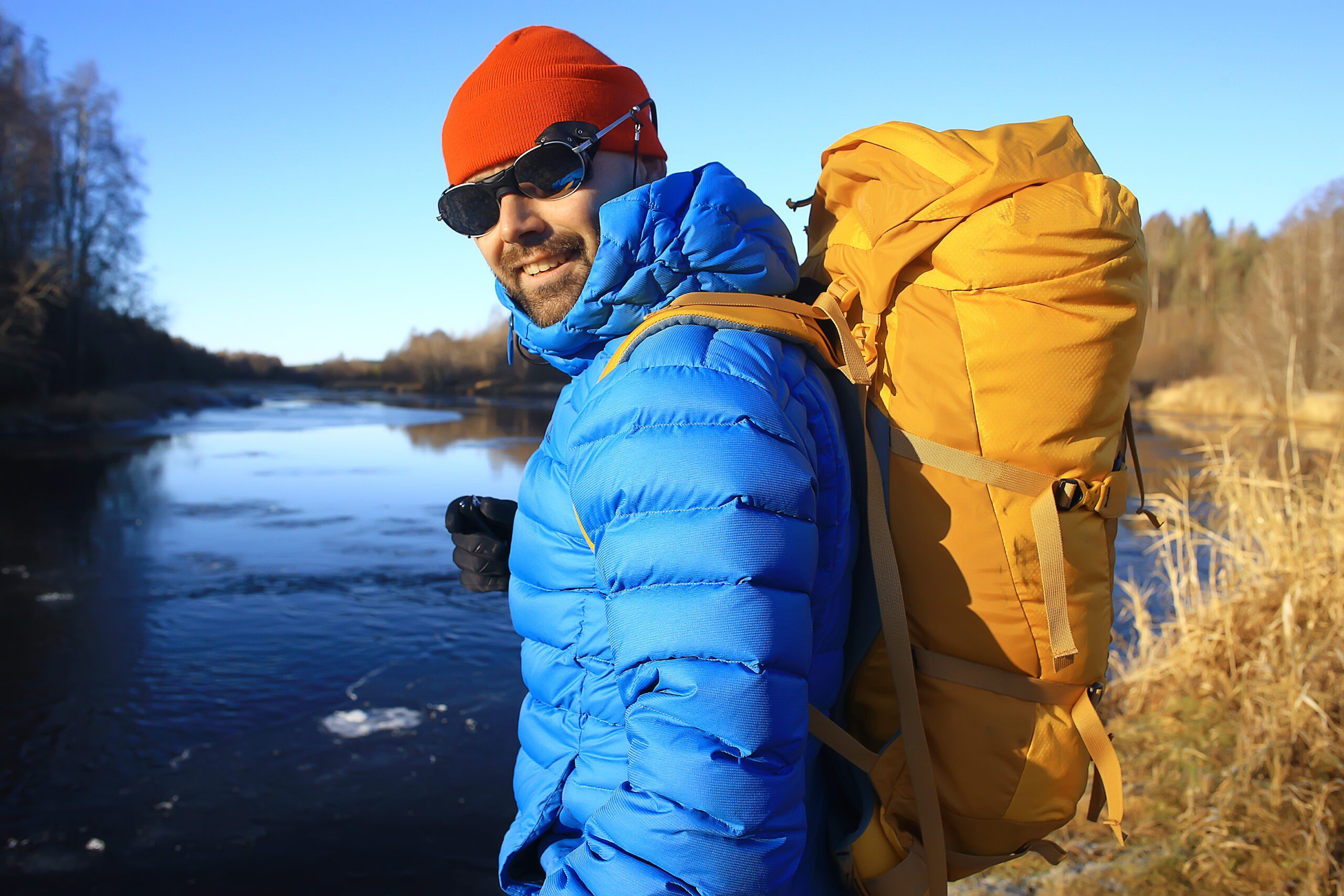
The Sierra’s weather can be unpredictable, with temperature variations of up to 20 degrees between sun and shade, wind and calm. Prepare for these fluctuations by bringing both a T-shirt and a winter insulated jacket. This combination ensures you’re ready for anything, from chilly mornings and evenings to sudden wind gusts. Layering is key to adapting to the changing conditions seamlessly.
The Sun Hoody
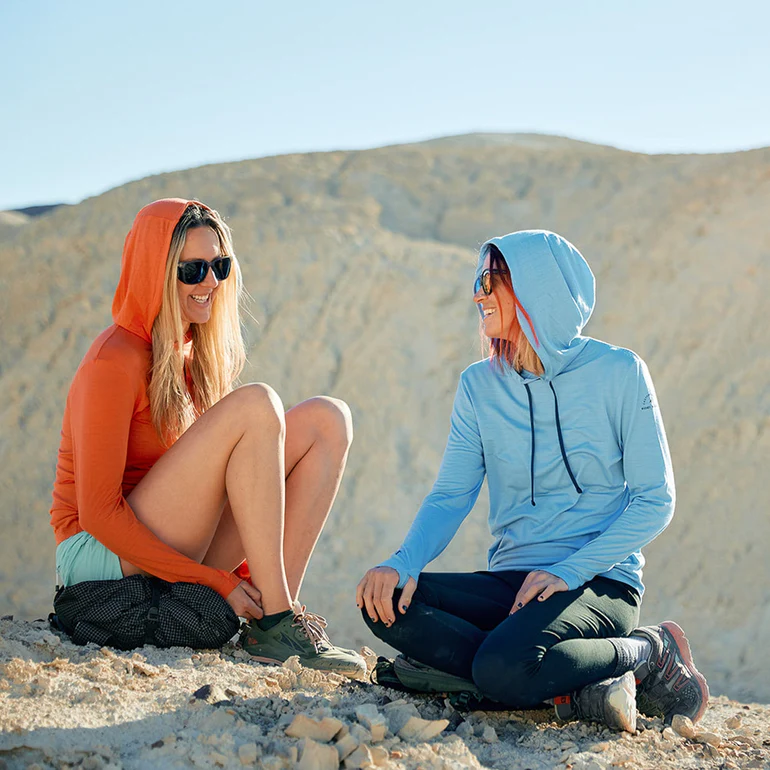
An absolute staple in the High Sierra, you’ll see most backcountry travelers with one of these thin, SPF rated, lightweight long-sleeve hooded layers. At high altitude, the sun’s rays are much stronger, often burning the skin in a mere matter of minutes. Of course you could use sunscreen, (zinc is recommended) but greasing your arms, neck and chest every 90 minutes throughout the day can be time consuming and, well, messy! (especially since you’ll be re-using your clothes) With how breathable and lightweight these are, you’ll have perfect even protection from the sun as well as a bit of light coverage when the wind kicks up!
Eye Protection: Shielding Against the Intense High Sierra Sun
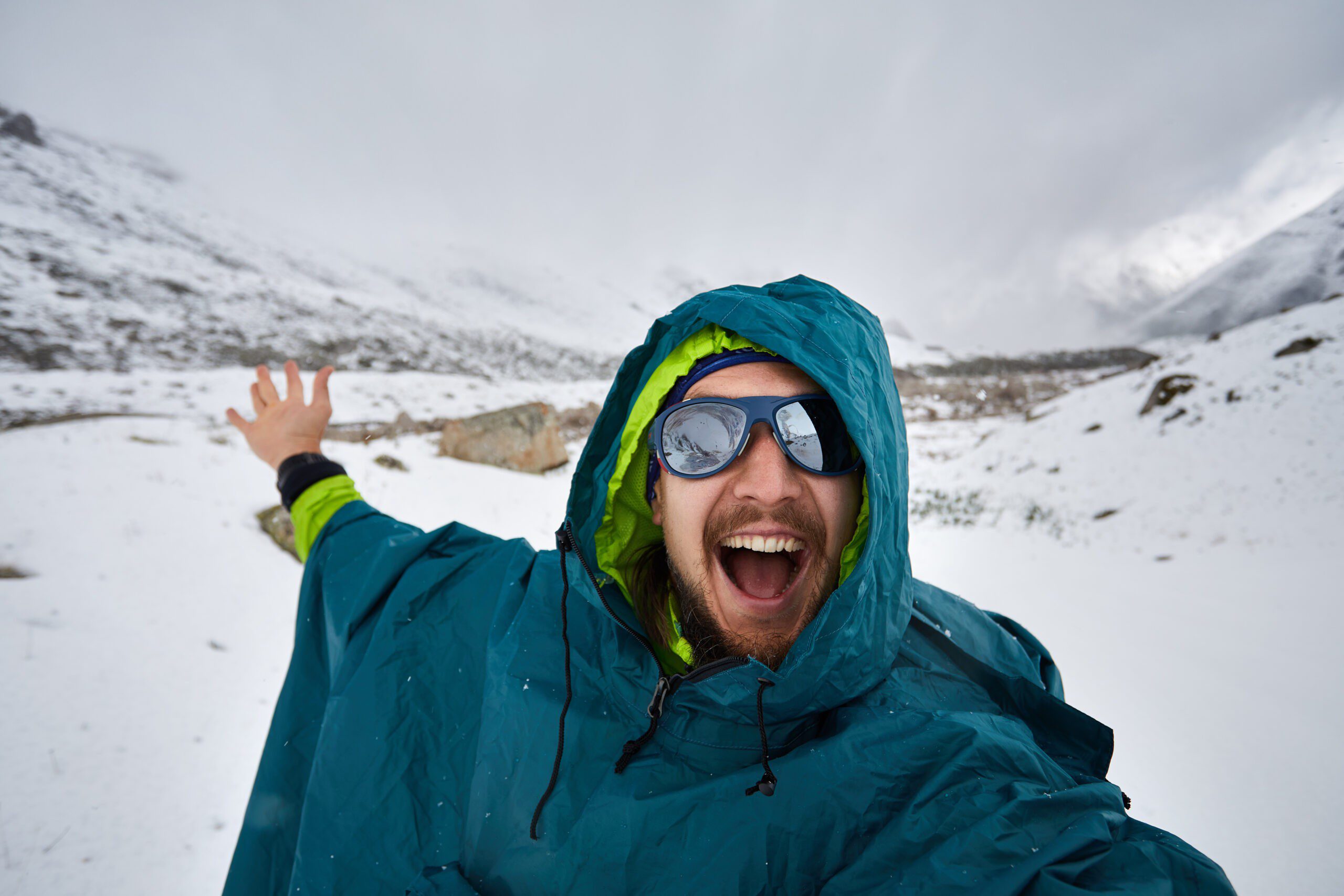
Good sunglasses are indispensable in the High Sierra. The intense sunlight, combined with the reflective surfaces of the rocks, can strain your eyes over the course of the day. Invest in quality sunglasses that provide UV protection and reduce glare to prevent tension headaches and ensure a more enjoyable trek.
Hydration Strategies: Nalgene Bottles as Backup
For those relying on bladder or hydration pack systems, always carry a hard Nalgene bottle as a backup. In the event of a leak or malfunction, a Nalgene bottle ensures you won’t be left without a water source. Additionally, the sturdy construction makes it suitable for use as a hot water bottle during colder nights, adding a versatile element to your packing list.
Consider leaving these items at home to lighten the load:
Rain Pants
Unless the weather forecast predicts prolonged rain, leaving rain pants behind could be a smart move. The Sierra region is known for brief rain showers that might not be enough to soak through your clothing. Opt for water-resistant hiking pants to keep you dry during these short bursts, saving you weight and space in your backpack.
Tent Stakes
Rocky terrains in the High Sierra make staking your tent a challenging task. Instead of carrying traditional stakes that struggle to grip the soil, consider relying on guy lines. These are often more effective in securing your tent, especially during windy conditions. Leave the stakes behind and lighten your load while still ensuring a stable shelter.
Unfamiliar First Aid Kit Items
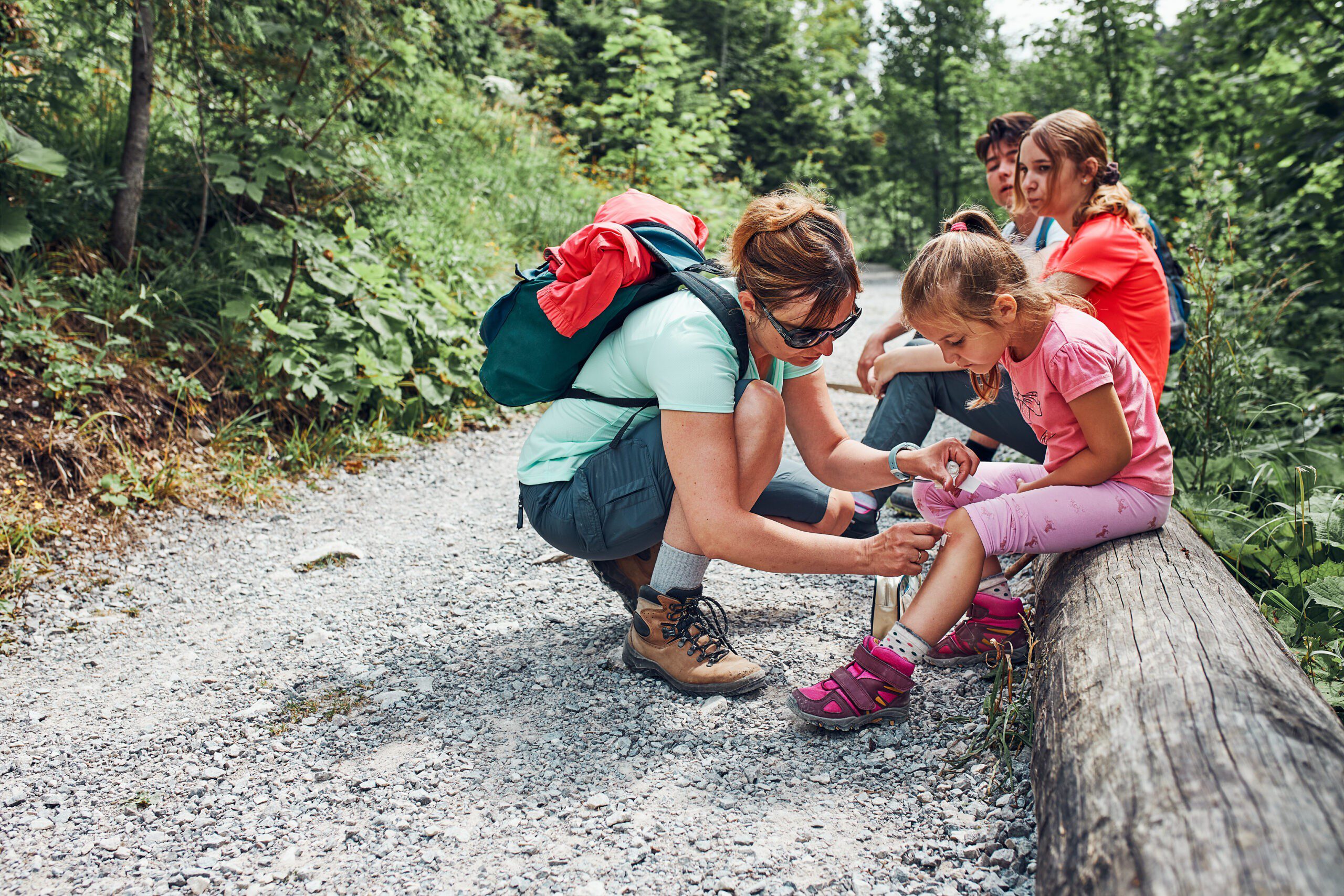
Safety is paramount, but carrying items you’re not familiar with might be counterproductive. Before your trip, thoroughly review the contents of your first aid kit. If there are items you’re unsure how to use, it’s best to leave them behind. A well-organized and familiar first aid kit is more valuable than a bulky one filled with items you’re not confident about.
Cotton Anything
Cotton absorbs moisture and takes a long time to dry, which can be a hindrance in the ever-changing Sierra weather. Opt for moisture-wicking and quick-drying materials for clothing to stay comfortable and dry throughout your journey.
Full Bottles
Weight is a critical consideration when backpacking, and carrying full bottles can quickly add up. Transfer the necessary amounts of liquids, such as sunscreen, into smaller travel bottles. This not only saves weight but also ensures you have just enough for the trip without any excess bulk.
Packing for a High Sierra summer overnight adventure requires thoughtful consideration of the region’s unique challenges. By addressing the need for wind screens, stable tent setups, appropriate footwear, insulation, eye protection, and hydration strategies, you’ll be well-prepared to tackle the rugged beauty of the Sierra Nevada. Embrace the journey, stay adaptable, and enjoy the unparalleled majesty of this iconic backpacking destination.